
Exploring the realm of top nutrition plans for heart health, this introduction sets the stage for a deep dive into the importance of dietary choices in maintaining a healthy heart. With a focus on key components and recommended plans, readers will gain valuable insights into enhancing their well-being through nutrition.
As we navigate through the various aspects of heart-healthy diets, we uncover the impact of nutrition on heart disease prevention and strategies for successful implementation.
Benefits of Nutrition Plans for Heart Health
Following a nutrition plan specifically designed for heart health is crucial in maintaining overall well-being and reducing the risk of cardiovascular diseases. The key benefits of incorporating a heart-healthy diet are significant in promoting a healthy heart and lifestyle.
Impact of Nutrition on Heart Health
Nutrition plays a vital role in heart health by influencing various factors such as cholesterol levels, blood pressure, inflammation, and overall cardiovascular function. A diet rich in fruits, vegetables, whole grains, lean proteins, and healthy fats can help lower the risk of heart disease and improve heart function.
Reduced Risk of Cardiovascular Diseases
By following a nutrition plan focused on heart health, individuals can significantly reduce the risk of developing cardiovascular diseases such as heart attacks, strokes, and high blood pressure. Consuming foods that are low in saturated fats, cholesterol, and sodium can help maintain a healthy heart and prevent the onset of these conditions.
Improved Blood Pressure and Cholesterol Levels
A heart-healthy diet can help regulate blood pressure and cholesterol levels, which are key factors in maintaining heart health. Consuming foods high in fiber, antioxidants, and omega-3 fatty acids can help lower blood pressure and improve cholesterol profiles, reducing the risk of heart-related complications.
Enhanced Overall Well-Being
Incorporating a nutrition plan for heart health not only benefits the heart but also contributes to overall well-being. A balanced diet rich in nutrients and vitamins can boost energy levels, improve mood, and support optimal body function, leading to a healthier and happier lifestyle.
Key Components of a Heart-Healthy Diet
Eating a heart-healthy diet is essential for maintaining cardiovascular health and reducing the risk of heart disease. By incorporating key components into your daily meals, you can support your heart health and overall well-being.
Essential Nutrients for Promoting Heart Health
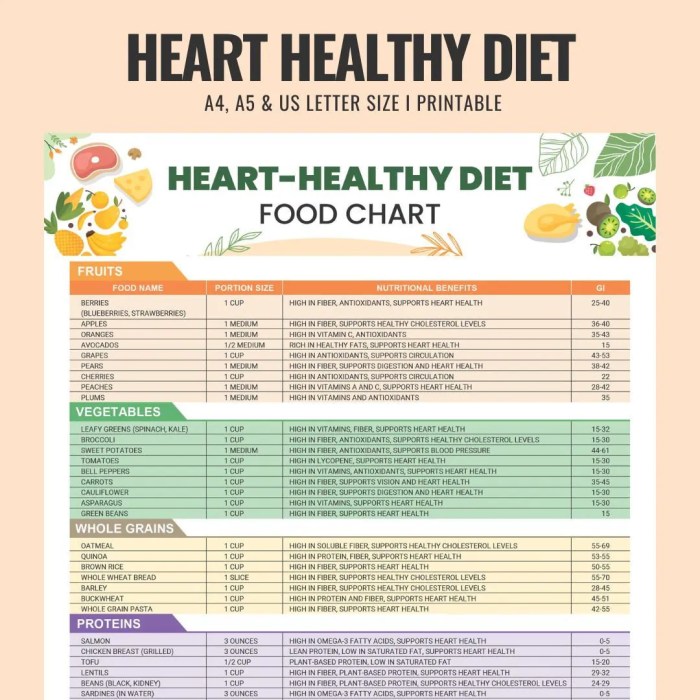
- Omega-3 fatty acids: Found in fatty fish like salmon, mackerel, and sardines, omega-3s can help lower cholesterol levels and reduce inflammation in the body.
- Antioxidants: Foods rich in antioxidants, such as berries, nuts, and dark leafy greens, can protect your heart by neutralizing free radicals that can cause damage to cells.
- Fiber: Whole grains, fruits, and vegetables are excellent sources of fiber, which can help lower cholesterol and improve digestion, reducing the risk of heart disease.
Foods Beneficial for Heart Health
- Leafy green vegetables: Spinach, kale, and collard greens are packed with vitamins, minerals, and antioxidants that support heart health.
- Berries: Blueberries, strawberries, and raspberries are rich in antioxidants and fiber, making them a great choice for heart-healthy snacking.
- Lean proteins: Skinless poultry, lean cuts of beef, and plant-based proteins like tofu and legumes can provide essential nutrients without the saturated fat found in red meat.
Role of Fiber, Antioxidants, and Healthy Fats
- Fiber:Fiber helps to lower cholesterol levels and regulate blood sugar, reducing the risk of heart disease and diabetes.
- Antioxidants:Antioxidants can protect your cells from damage, reduce inflammation, and improve overall heart health.
- Healthy Fats:Including sources of healthy fats like avocados, nuts, seeds, and olive oil in your diet can help lower bad cholesterol levels and reduce the risk of heart disease.
Recommended Nutrition Plans for Heart Health
When it comes to maintaining heart health, following a nutrition plan tailored specifically for this purpose is crucial. There are several popular nutrition plans that have been shown to reduce the risk of heart disease, including the Mediterranean diet, DASH diet, and plant-based diets.
Mediterranean Diet
The Mediterranean diet is rich in fruits, vegetables, whole grains, legumes, nuts, seeds, and olive oil. It emphasizes consuming fish and poultry over red meat, and includes moderate consumption of dairy products. This diet has been associated with lower rates of heart disease due to its focus on healthy fats and antioxidants.
DASH Diet
The DASH (Dietary Approaches to Stop Hypertension) diet is specifically designed to lower blood pressure by reducing sodium intake and increasing consumption of fruits, vegetables, whole grains, and lean proteins. This balanced approach to eating has been shown to improve heart health and reduce the risk of cardiovascular issues.
Plant-Based Diets
Plant-based diets, such as vegetarian and vegan diets, focus on consuming mainly fruits, vegetables, whole grains, legumes, nuts, and seeds while limiting or eliminating animal products. These diets are high in fiber, vitamins, and minerals, and have been linked to a lower risk of heart disease due to their positive impact on cholesterol levels and inflammation.
Tips for Implementing a Heart-Healthy Nutrition Plan
Implementing a heart-healthy nutrition plan can seem daunting at first, but with some practical tips and strategies, you can make healthier choices and improve your heart health.
Meal Planning and Healthy Food Choices
When planning your meals, aim to include a variety of colorful fruits and vegetables, whole grains, lean proteins, and healthy fats. Choose nutrient-dense foods that are low in saturated fats, trans fats, cholesterol, and sodium. Opt for cooking methods like grilling, baking, steaming, or roasting instead of frying.
Incorporate plant-based proteins like beans, legumes, nuts, and seeds into your diet.
Portion Control and Mindful Eating Habits
Practice portion control by using smaller plates, measuring serving sizes, and being mindful of portion sizes when dining out. Avoid eating in front of the TV or computer, as this can lead to mindless eating. Slow down and savor each bite, paying attention to hunger and fullness cues.
Listen to your body and stop eating when you feel satisfied, not stuffed.
Impact of Nutrition on Heart Disease Prevention
Nutrition plays a crucial role in preventing heart disease by influencing various risk factors such as cholesterol levels, blood pressure, inflammation, and overall heart health. Poor dietary choices can lead to the development of heart-related conditions such as atherosclerosis, hypertension, and heart failure.
Research Findings on Nutrition and Heart Disease Prevention
- Eating a diet rich in fruits, vegetables, whole grains, lean proteins, and healthy fats can significantly reduce the risk of heart disease.
- Consuming high amounts of saturated fats, trans fats, cholesterol, and sodium can increase the likelihood of developing heart-related conditions.
- Studies have shown that diets high in refined sugars and processed foods are associated with a higher risk of heart disease.
- Certain nutrients like omega-3 fatty acids, fiber, antioxidants, and plant sterols have been linked to lower rates of heart disease.
Ultimate Conclusion
In conclusion, the significance of nutrition in maintaining heart health cannot be overstated. By embracing the principles of a heart-healthy diet and making informed food choices, individuals can pave the way towards a healthier heart and overall well-being.
Essential FAQs
What are the key benefits of following a nutrition plan for heart health?
Following a nutrition plan for heart health can help lower cholesterol levels, reduce blood pressure, and decrease the risk of heart disease.
Which popular nutrition plans are tailored for heart health?
Some popular nutrition plans for heart health include the Mediterranean diet, DASH diet, and plant-based diets.
How does nutrition impact heart health and overall well-being?
Nutrition plays a crucial role in maintaining heart health by providing essential nutrients, promoting healthy cholesterol levels, and reducing inflammation in the body.