
As Shop Car Insurance Quotes: Avoiding Common Online Scams takes center stage, this opening passage beckons readers into a world crafted with good knowledge, ensuring a reading experience that is both absorbing and distinctly original.
Online scams targeting car insurance shoppers are becoming more prevalent, making it crucial to navigate the digital landscape cautiously.
Understanding Common Online Insurance Scams
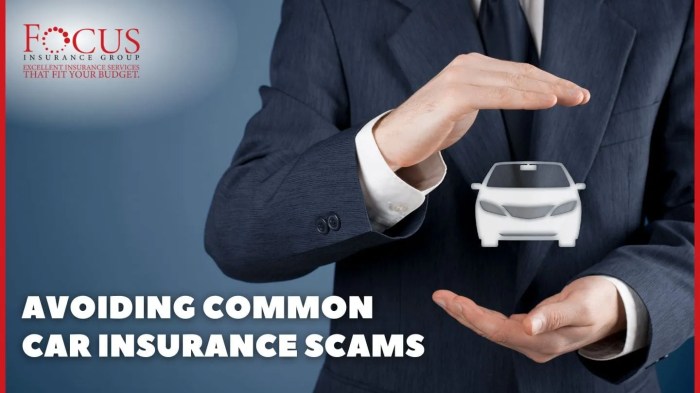
When shopping for car insurance online, it's crucial to be aware of the common scams that may target unsuspecting consumers. Scammers often use various tactics to deceive individuals looking for affordable insurance coverage.
Types of Online Insurance Scams
- Phantom Insurance Companies: Scammers create fake insurance companies offering unrealistically low premiums to lure in customers. These companies often disappear once they receive payments, leaving policyholders without coverage.
- Identity Theft: Some scammers pose as legitimate insurance agents or brokers to collect personal information for identity theft purposes. It's essential to verify the credentials of any individual or company before sharing sensitive data.
- Bait-and-Switch: This tactic involves offering a low quote online but then changing the terms or coverage once the consumer commits to the policy. Always review the policy details carefully before making any payments.
Red Flags for Fraudulent Online Quotes
- Unsolicited Emails or Calls: Be cautious of insurance offers that come out of the blue without any prior request. Legitimate companies typically do not engage in unsolicited marketing.
- No Physical Address or Contact Information: If the insurance provider does not have a verifiable physical address or contact details, it could be a sign of a scam.
- Pressure Tactics: Scammers often use high-pressure tactics to push consumers into making quick decisions without proper research. Take your time to review all options before committing.
Manipulative Practices by Scammers
- Use of Fake Reviews: Scammers may create fake positive reviews to build credibility and trust with potential victims. Always look for reviews from reputable sources or ask for recommendations from trusted sources.
- Impersonation of Legitimate Companies: Some scammers mimic the websites and branding of well-known insurance companies to appear legitimate. Double-check the website URL and contact the company directly to confirm authenticity.
- Offering Unrealistic Discounts: If an insurance quote seems too good to be true, it probably is. Scammers use unrealistically low prices to attract consumers and then disappear with their money.
Tips to Verify Legitimate Insurance Websites
When looking for car insurance quotes online, it's crucial to verify the legitimacy of the insurance websites you visit. Ensuring that you are dealing with a reputable and secure platform can help protect your personal information and financial details.
Checking for SSL Encryption and Secure Payment Options
Before entering any sensitive information on an insurance website, make sure to look for SSL encryption. This security feature encrypts data transmitted between your browser and the website's server, helping to protect your information from potential hackers.
Additionally, reputable insurance websites will offer secure payment options, such as credit card processing through trusted providers. Avoid entering your payment information on websites that do not provide secure payment methods.
Confirming the Authenticity of an Insurance Company's Online Presence
One way to verify the legitimacy of an insurance website is to check for the company's contact information, including a physical address and phone number. Legitimate companies will provide this information for customers to reach out to them.
Furthermore, you can look for customer reviews and ratings of the insurance company online. Real feedback from other customers can give you insights into the company's reputation and reliability.
Comparing Quotes Safely
When comparing car insurance quotes online, it is crucial to proceed with caution to avoid falling for scams. By following a checklist for evaluating the credibility of insurance providers and cross-verifying the information provided in online quotes, you can ensure a safe and secure comparison process.
Evaluating Credibility of Insurance Providers
- Check the reputation of the insurance company by researching online reviews and ratings from trusted sources.
- Verify the legitimacy of the insurance provider by checking their licensing and accreditation status.
- Look for any red flags such as unusually low quotes or requests for sensitive personal information.
Cross-Verifying Information in Online Quotes
- Compare the coverage details, deductibles, and limits provided in the quotes to ensure consistency.
- Verify the accuracy of personal information used to generate the quotes, such as driving history and vehicle details.
- Double-check the final premium amount and any additional fees or charges included in the quotes.
Protecting Personal Information
When shopping for car insurance online, safeguarding personal data is crucial to avoid falling victim to scams or identity theft. Sharing sensitive information on unsecured platforms can lead to serious consequences, making it essential to follow best practices for securely entering personal details on insurance websites.
Best Practices for Safely Sharing Personal Information
- Avoid entering personal information on public Wi-Fi networks or shared devices to prevent unauthorized access.
- Verify the legitimacy of the insurance website by checking for secure connections (https://) and verifying the company's credentials.
- Use strong and unique passwords to protect your accounts from unauthorized access or hacking attempts.
- Be cautious of phishing emails or messages asking for personal information and avoid clicking on suspicious links.
Risks of Sharing Sensitive Data on Unsecured Platforms
- Identity theft: Criminals can use stolen personal information to commit fraud, open accounts in your name, or access your financial accounts.
- Financial loss: Sharing sensitive data on unsecured platforms can result in financial losses due to unauthorized transactions or fraudulent activities.
- Privacy invasion: Your personal information may be sold to third parties without your consent, leading to privacy violations and unwanted solicitations.
Ultimate Conclusion
In conclusion, staying vigilant and informed while shopping for car insurance quotes online is key to avoiding common scams and protecting personal information.
Common Queries
How can I identify red flags in online car insurance quotes?
Look out for unusually low prices, requests for upfront payments, and websites with poor security features.
What are some methods to verify the legitimacy of insurance websites?
You can check for SSL encryption, secure payment options, and verify the company's online presence through official channels.
How can I safely compare car insurance quotes online?
Use reputable comparison websites, verify the credibility of insurance providers, and cross-verify the information provided in quotes.
What are the risks of sharing personal information on unsecured platforms?
Sharing personal data on unsecured platforms can lead to identity theft, financial fraud, and privacy breaches.