
Embark on a journey into the realm of natural remedies for managing anxiety and stress, exploring the various ways to achieve inner peace and tranquility amidst life's challenges. From herbal solutions to lifestyle adjustments, this comprehensive guide aims to shed light on effective strategies for combatting stress and anxiety naturally.
Overview of Natural Remedies
Natural remedies for managing anxiety and stress are alternative treatments that utilize natural ingredients, herbs, or techniques to help alleviate symptoms without the use of pharmaceutical drugs. These remedies are often sought after for their perceived safety and minimal side effects compared to traditional medications.
Common Examples of Natural Remedies
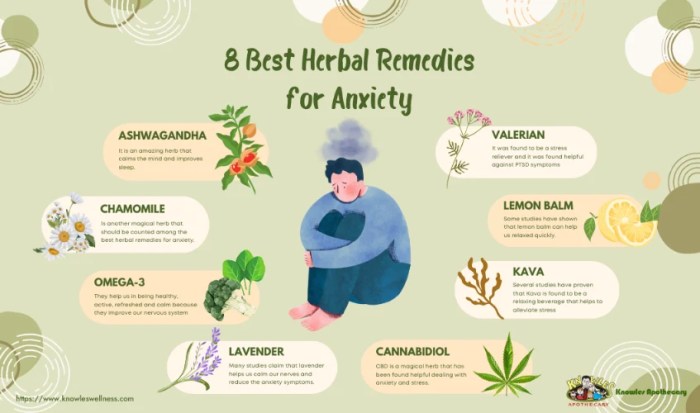
- Herbal supplements such as ashwagandha, chamomile, and valerian root are commonly used to reduce anxiety and promote relaxation.
- Aromatherapy with essential oils like lavender, rose, and bergamot can help calm the mind and reduce stress levels.
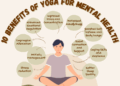
- Mindfulness practices such as meditation, yoga, and deep breathing exercises are effective in managing anxiety and improving overall mental well-being.
Benefits of Using Natural Remedies
Natural remedies offer various benefits when it comes to managing anxiety and stress. They are often preferred over pharmaceutical options due to their:
- Minimal side effects: Natural remedies are generally considered safer and gentler on the body, reducing the risk of adverse reactions.
- Non-addictive nature: Unlike some pharmaceutical drugs, natural remedies are less likely to cause dependence or withdrawal symptoms.
- Holistic approach: Many natural remedies focus on addressing the root causes of anxiety and stress, promoting overall well-being rather than just symptom management.
Herbal Remedies
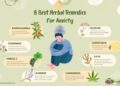
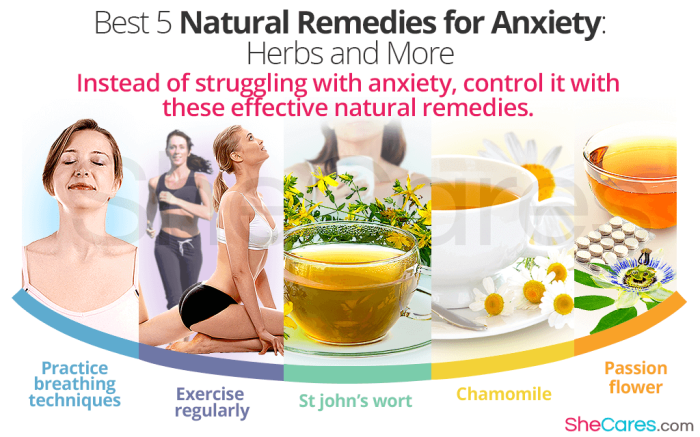
Herbal remedies have been used for centuries to help manage anxiety and stress naturally. Popular herbs such as chamomile, lavender, and passionflower are known for their calming properties and are commonly used to promote relaxation.
Chamomile
Chamomile is a gentle herb that is often consumed as a tea to help reduce anxiety and promote better sleep. It contains compounds that bind to the same brain receptors as drugs like Valium, helping to calm the nervous system.
Lavender
Lavender is well-known for its soothing aroma, which can help reduce stress and anxiety levels. It can be used in essential oil form for aromatherapy or consumed as a tea to promote relaxation.
Passionflower
Passionflower is another herb that is commonly used to reduce anxiety. It works by increasing levels of gamma-aminobutyric acid (GABA) in the brain, which helps to calm the central nervous system and promote relaxation.
Lifestyle Changes
Making lifestyle changes can significantly impact the management of anxiety and stress. These changes can include incorporating regular exercise, maintaining a healthy diet, and implementing stress-reducing practices into daily routines.
Exercise for Managing Anxiety and Stress
Regular physical activity, such as aerobic exercises, can help reduce anxiety and stress levels. Exercise releases endorphins, which are known as the body's natural feel-good chemicals. These endorphins can act as natural painkillers and mood elevators, promoting a sense of well-being.
Additionally, exercise can help improve sleep quality, boost self-esteem, and increase energy levels, all of which contribute to better mental health.
Healthy Diet and Mental Well-being
A balanced and nutritious diet plays a crucial role in improving mental well-being
Avoiding excessive caffeine, sugar, and processed foods can also help stabilize mood and reduce stress levels.
Relaxation Techniques
Relaxation techniques are essential tools for managing anxiety and stress effectively. By incorporating techniques such as deep breathing, meditation, and progressive muscle relaxation into your daily routine, you can experience a significant reduction in stress levels.
Deep Breathing
Deep breathing involves taking slow, deep breaths to help calm the mind and body. By focusing on your breath and taking slow, deliberate inhales and exhales, you can activate the body's relaxation response and reduce feelings of anxiety.
Meditation
Meditation is a practice that involves focusing the mind and eliminating distracting thoughts. By engaging in regular meditation sessions, you can improve your ability to manage stress, increase self-awareness, and promote emotional well-being.
Progressive Muscle Relaxation
Progressive muscle relaxation is a technique that involves tensing and relaxing different muscle groups in the body. By systematically tensing and releasing muscle tension, you can reduce physical symptoms of stress and promote a sense of relaxation and calm.
Comparing Relaxation Techniques
- Deep breathing is effective for immediate stress relief and can be practiced anywhere.
- Meditation provides long-term benefits for overall well-being and stress management.
- Progressive muscle relaxation is beneficial for reducing physical tension and promoting relaxation.
Tips for Incorporating Relaxation Techniques
- Schedule regular relaxation sessions into your daily routine to make it a habit.
- Combine different techniques to find what works best for you and your stress levels.
- Practice relaxation techniques during breaks at work or before bed to unwind and de-stress.
Epilogue
In conclusion, the exploration of natural remedies for managing anxiety and stress unveils a world of possibilities for enhancing mental well-being and promoting emotional balance. By incorporating these holistic approaches into daily routines, individuals can take proactive steps towards a healthier and more harmonious lifestyle.
General Inquiries
How long does it typically take for natural remedies to show results?
Natural remedies may vary in their onset of effects, but consistency in usage is key. Some individuals may experience improvements within a few weeks, while others might require longer periods for noticeable changes.
Are there any potential side effects associated with herbal remedies for anxiety and stress?
While herbal remedies are generally considered safe, some individuals may experience mild side effects such as digestive disturbances or allergic reactions. It's important to consult with a healthcare professional before incorporating herbal remedies into your routine.
Can relaxation techniques alone effectively manage severe anxiety and stress?
Relaxation techniques can be beneficial in reducing symptoms of anxiety and stress, but severe cases may require additional interventions such as therapy or medication. It's advisable to seek guidance from a mental health professional for personalized treatment recommendations.