
Embark on a journey towards hormonal balance with our comprehensive Lifestyle and Nutrition Guide. Delve into the intricacies of how lifestyle choices and dietary habits can impact your hormonal health, paving the way for a more balanced and vibrant life.
Explore the connection between hormonal balance and overall well-being, unraveling the secrets to a healthier and more harmonious internal environment.
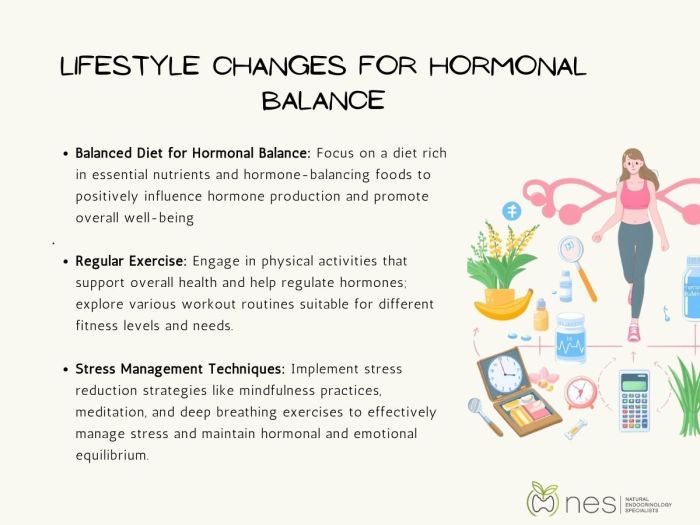
Lifestyle Changes for Hormonal Balance
Maintaining hormonal balance is crucial for overall health and well-being. Making certain lifestyle changes can greatly help in achieving this balance.
Regular Exercise and Hormonal Health
Regular exercise plays a significant role in hormonal health. It helps in regulating insulin levels, reducing cortisol (stress hormone) levels, and promoting the production of endorphins (feel-good hormones). Aim for a combination of cardiovascular exercises, strength training, and flexibility exercises to support hormonal balance.
Stress Management for Hormonal Balance
Stress has a profound impact on hormone levels. Chronic stress can lead to imbalances in cortisol, insulin, and other hormones. Practice stress-reducing techniques such as mindfulness, meditation, deep breathing exercises, and spending time in nature. Prioritize self-care activities that help you unwind and relax.
Improving Sleep Quality for Hormonal Function
Quality sleep is essential for hormonal function. Lack of sleep can disrupt hormone production and regulation, leading to imbalances. Create a soothing bedtime routine, ensure your sleep environment is conducive to rest, and aim for 7-9 hours of quality sleep each night.
Avoid electronic devices before bedtime and maintain a consistent sleep schedule to support hormonal balance.
Nutrition Guide for Hormonal Balance
Maintaining hormonal balance is crucial for overall health and well-being. A balanced diet plays a significant role in supporting hormonal function. Here are some important aspects to consider:
Foods Beneficial for Balancing Hormones
When it comes to balancing hormones, certain foods can be particularly helpful. Incorporating the following into your diet can support hormonal balance:
- Fatty fish like salmon, mackerel, and sardines rich in omega-3 fatty acids
- Leafy greens such as spinach and kale for essential vitamins and minerals
- Healthy fats like avocado, nuts, and seeds
- Lean proteins like chicken, turkey, and tofu
- Whole grains such as quinoa and brown rice for fiber and nutrients
- Fruits like berries and citrus fruits for antioxidants
Role of Macronutrients in Hormonal Health
Macronutrients, including carbohydrates, proteins, and fats, play a crucial role in hormonal health. Each macronutrient serves a specific function:
- Carbohydrates provide energy and help regulate blood sugar levels
- Proteins are essential for tissue repair and hormone production
- Fats are needed for hormone synthesis and absorption of fat-soluble vitamins
Significance of Micronutrients for Hormonal Balance
In addition to macronutrients, micronutrients like vitamins and minerals are vital for hormonal balance. These micronutrients play specific roles in hormone regulation:
- Vitamin D supports hormone production and immune function
- Magnesium helps regulate cortisol levels and supports adrenal health
- Zinc is crucial for thyroid function and hormone synthesis
- Vitamin B6 aids in hormone metabolism and regulation
Meal Planning Ideas to Support Hormonal Function
Planning meals that incorporate a balance of macronutrients and micronutrients can help support hormonal function. Consider the following meal planning ideas:
- A breakfast bowl with Greek yogurt, berries, nuts, and seeds for a mix of protein, healthy fats, and antioxidants
- A quinoa salad with leafy greens, grilled chicken, avocado, and a citrus vinaigrette for a nutrient-dense meal
- A salmon dinner with roasted vegetables and a side of brown rice for omega-3 fatty acids and fiber
Hormonal Imbalance Symptoms
When it comes to hormonal imbalance, it is essential to recognize the symptoms early to ensure effective management and treatment. Both men and women can experience various signs that indicate a hormonal issue.
Common Symptoms of Hormonal Imbalance
- Irregular periods in women
- Low libido or sexual dysfunction
- Unexplained weight gain or weight loss
- Fatigue and tiredness
- Changes in mood, including depression and anxiety
Impact on Health and Well-Being
Hormonal imbalances can have a significant impact on overall health and well-being. They can lead to issues such as infertility, osteoporosis, and even an increased risk of certain cancers. Recognizing and addressing these symptoms promptly is crucial to prevent further complications.
Importance of Early Recognition
- Early recognition of hormonal imbalance symptoms can lead to timely intervention and treatment.
- Managing hormonal issues promptly can help prevent long-term health complications.
- Seeking medical advice early can improve the chances of successful treatment and recovery.
When to Seek Medical Advice
If you experience persistent symptoms of hormonal imbalance that interfere with your daily life, it is advisable to seek medical advice. Additionally, if you notice sudden or severe changes in your health, it is crucial to consult a healthcare professional for proper evaluation and diagnosis.
Herbal Remedies and Supplements for Hormonal Balance
When it comes to supporting hormonal health, many people turn to herbal remedies and supplements as natural alternatives to traditional medications. These options can help regulate hormones and promote overall well-being. However, it's essential to understand the potential benefits and risks associated with these remedies before incorporating them into your routine.
Popular Herbal Remedies for Hormonal Balance
Herbal remedies have been used for centuries to address hormonal imbalances. Some popular options include:
- Chasteberry: Known for its ability to balance hormones, especially in women experiencing menstrual irregularities.
- Maca: A root vegetable that can help support hormone production and balance in both men and women.
- Ashwagandha: An adaptogenic herb that may help reduce stress levels and support hormonal balance.
Supplements to Regulate Hormones
In addition to herbal remedies, certain supplements can also play a role in regulating hormones. Some common supplements include:
- Vitamin D: Essential for hormone production and overall health, especially for those with vitamin deficiencies.
- Omega-3 fatty acids: Known for their anti-inflammatory properties and potential to support hormone balance.
- Magnesium: Helps with hormone regulation and can aid in managing symptoms of hormonal imbalances.
Potential Benefits and Risks
While herbal remedies and supplements can offer benefits for hormonal balance, it's crucial to be aware of potential risks. It's essential to consult with a healthcare provider before starting any new supplement regimen, as some ingredients may interact with medications or have adverse effects.
Tips for Safe Incorporation
When incorporating herbal remedies and supplements into your routine, consider the following tips:
- Start with one supplement at a time to monitor how your body responds.
- Choose high-quality products from reputable brands to ensure purity and potency.
- Keep track of any changes in symptoms or side effects and adjust your regimen accordingly.
Closing Notes
In conclusion, the Lifestyle and Nutrition Guide for Hormonal Balance serves as a roadmap to a more balanced life. By implementing the tips and insights shared, you can take proactive steps towards nurturing your hormonal health and overall well-being.
Common Queries
What are some lifestyle changes that can help balance hormones?
Examples include regular exercise, stress management, and improving sleep quality.
Which foods are beneficial for balancing hormones?
Foods like leafy greens, fatty fish, and nuts can help balance hormones.
What are common symptoms of hormonal imbalance?
Common symptoms include fatigue, weight gain, and irregular periods.
Are there risks associated with using herbal remedies for hormonal balance?
While herbal remedies can be beneficial, it's important to consult with a healthcare provider to avoid potential risks.