

Delve into the intricate relationship between stress and hormonal health in this captivating exploration. Uncover the ways in which stress can disrupt the delicate balance of hormones, affecting various aspects of your well-being.
As we navigate through the different effects of stress on cortisol levels, thyroid function, and reproductive hormones, a clearer picture emerges of the profound impact stress can have on our overall health.
How stress impacts hormonal balance
Stress is known to have a significant impact on hormonal balance in the body. When we experience stress, our body releases hormones that can disrupt the delicate balance of hormones that regulate various bodily functions.
Examples of hormones affected by stress
- 1. Cortisol: Known as the primary stress hormone, cortisol levels increase in response to stress. This hormone plays a crucial role in the body's fight-or-flight response.
- 2. Adrenaline: Another hormone released during stress, adrenaline prepares the body for a sudden burst of energy in a stressful situation.
- 3. Insulin: Stress can also impact insulin levels, leading to potential imbalances in blood sugar regulation.
Mechanisms through which stress disrupts hormonal health
When we experience stress, the hypothalamus, a region of the brain, signals the adrenal glands to release cortisol and adrenaline. This triggers a cascade of hormonal responses that can impact various bodily functions.
Chronic stress can lead to prolonged elevation of cortisol levels, which may disrupt the balance of other hormones in the body, affecting metabolism, immune function, and reproductive health.
Effects of stress on cortisol levels
Stress can have a significant impact on cortisol levels in the body. Cortisol, often referred to as the "stress hormone," plays a crucial role in the body's response to stress and helps regulate various processes, including metabolism, immune response, and blood pressure.
Role of cortisol in the body
Cortisol is produced by the adrenal glands and is essential for the body's fight-or-flight response to stress. It helps increase blood sugar levels, suppresses the immune system, and aids in metabolism regulation. Cortisol also plays a role in controlling inflammation and blood pressure.
How stress influences cortisol production
When we experience stress, the body releases cortisol to help us cope with the situation. However, chronic stress can lead to continuously elevated cortisol levels, as the body remains in a state of high alert. This prolonged exposure to stress can disrupt the normal cortisol production cycle, leading to imbalances in the body.
Consequences of chronically high cortisol levels due to stress
Chronically high cortisol levels can have detrimental effects on the body. Some consequences include:
- Suppressed immune function, making individuals more susceptible to infections and illnesses.
- Increased risk of weight gain, particularly around the abdomen area.
- Impaired cognitive function, affecting memory, concentration, and decision-making abilities.
- Disrupted sleep patterns, leading to insomnia or other sleep disorders.
- Higher blood pressure and increased risk of heart disease.
- Imbalanced blood sugar levels, potentially leading to insulin resistance and diabetes.
Impact of stress on thyroid function
Stress can have a significant impact on thyroid function, affecting the production and regulation of thyroid hormones. This can lead to various thyroid disorders and complications if not managed properly.
Effect on thyroid hormones
Stress can disrupt the balance of thyroid hormones in the body, leading to either overproduction or underproduction of these crucial hormones. This imbalance can result in symptoms such as fatigue, weight changes, and mood disturbances.
- Chronic stress can suppress the production of thyroid hormones, leading to hypothyroidism. This condition can cause symptoms like weight gain, fatigue, and depression.
- On the other hand, acute stress can trigger the overproduction of thyroid hormones, resulting in hyperthyroidism. Symptoms of hyperthyroidism include weight loss, anxiety, and rapid heartbeat.
It is essential to manage stress levels to maintain a healthy balance of thyroid hormones.
Connection with thyroid disorders
Stress is closely linked to the development and exacerbation of thyroid disorders such as Hashimoto's thyroiditis and Graves' disease. The immune system's response to stress can trigger autoimmune reactions against the thyroid gland, leading to these conditions.
- Chronic stress can worsen the symptoms of autoimmune thyroid disorders by increasing inflammation and immune system activity.
- Stress management techniques, such as meditation and exercise, can help reduce the impact of stress on thyroid health and improve overall well-being.
Supporting thyroid health during stressful periods
Taking steps to reduce stress and support thyroid health is crucial in maintaining overall well-being. This can include lifestyle changes, dietary modifications, and relaxation techniques to manage stress effectively.
- Ensuring an adequate intake of essential nutrients like iodine and selenium can support thyroid function during times of stress.
- Engaging in regular exercise and getting enough sleep are important for managing stress and promoting thyroid health.
- Seeking support from healthcare professionals or counselors can also be beneficial in addressing stress-related thyroid issues and developing a comprehensive treatment plan.
Stress-induced changes in reproductive hormones
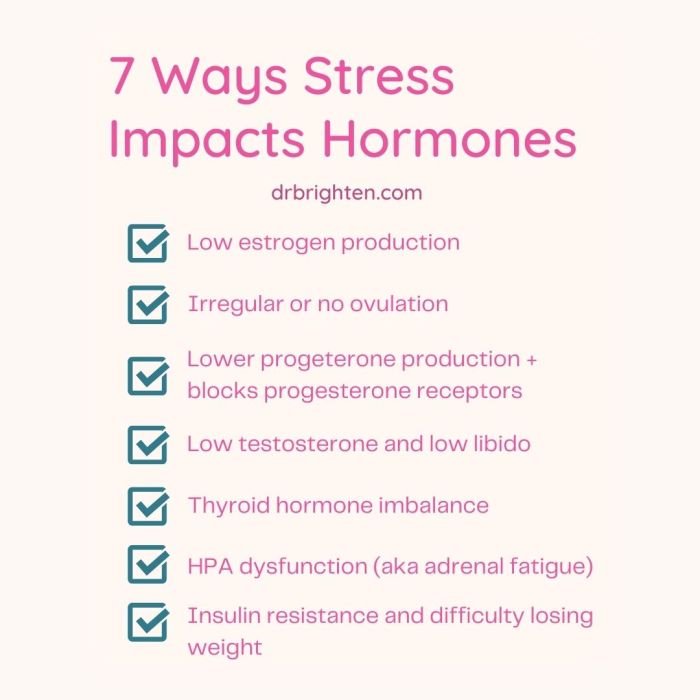
When stress levels are high, it can have a significant impact on reproductive hormones in both men and women. This can lead to various disruptions in the normal functioning of the reproductive system, affecting fertility and overall reproductive health.
Impact on Men
Stress can disrupt the balance of reproductive hormones in men, such as testosterone and sperm production. High levels of stress can lead to a decrease in testosterone levels, affecting sperm quality and count. This can ultimately impact fertility and sexual health in men.
Impact on Women
In women, stress can affect the menstrual cycle and ovulation by altering the levels of hormones like estrogen and progesterone. Chronic stress can lead to irregular periods, anovulation, and even infertility. It can also impact libido and sexual function in women.
Implications on Fertility
Disrupted reproductive hormones due to stress can have serious implications on fertility for both men and women. It can lead to difficulties in conceiving, increased risk of miscarriages, and other reproductive health issues. Managing stress is crucial for improving fertility outcomes.
Strategies for Stress Management
To improve reproductive health and manage stress levels, it is essential to incorporate stress-reducing techniques into daily life. This can include practices like mindfulness meditation, yoga, regular exercise, adequate sleep, and seeking support from loved ones or a therapist. Prioritizing self-care and stress management can help restore hormonal balance and enhance fertility.
Last Recap
In conclusion, understanding how stress impacts your hormonal health is crucial in maintaining a balanced and healthy body. By implementing strategies to manage stress effectively, you can safeguard your hormonal equilibrium and promote optimal well-being.
Essential FAQs
How does stress affect hormone levels?
Stress can lead to hormonal imbalances by disrupting the production and regulation of key hormones such as cortisol, adrenaline, and thyroid hormones.
What are the consequences of high cortisol levels due to stress?
Chronically elevated cortisol levels can contribute to issues like weight gain, sleep disturbances, weakened immune function, and increased risk of chronic diseases.
Can stress impact fertility through changes in reproductive hormones?
Yes, stress can interfere with reproductive hormones in both men and women, potentially affecting fertility. Managing stress is crucial for maintaining reproductive health.