

As How Altium Auto Route Optimizes Vehicle Electronic Designs takes center stage, this opening passage beckons readers with casual formal language style into a world crafted with good knowledge, ensuring a reading experience that is both absorbing and distinctly original.
Altium Auto Route plays a crucial role in enhancing the efficiency of designing vehicle electronic systems, revolutionizing the automotive industry with its innovative features and optimization techniques.
Overview of Altium Auto Route in Vehicle Electronic Designs
Altium Auto Route plays a crucial role in optimizing vehicle electronic designs by automating the routing process of printed circuit boards (PCBs) in automotive electronics. This tool helps streamline the design process by efficiently connecting components and ensuring signal integrity within the system.
Streamlining Design Process
Altium Auto Route simplifies the routing of traces between components on a PCB, reducing the manual effort required in designing vehicle electronic systems. By automating this process, designers can focus more on the overall functionality and performance of the electronics, rather than spending time on intricate routing details.
- Automates trace routing to save time and effort
- Ensures signal integrity and minimizes interference
- Improves overall design efficiency and accuracy
Benefits of Using Altium Auto Route
Using Altium Auto Route in vehicle electronic designs offers several benefits to designers and engineers working on automotive electronics projects. The tool enhances productivity, optimizes PCB layout, and ultimately contributes to the development of reliable and high-performance electronic systems for vehicles.
- Increases design efficiency and reduces time-to-market
- Optimizes PCB layout for better performance and reliability
- Minimizes errors and ensures signal integrity
- Enhances overall design quality and functionality
Key Features of Altium Auto Route for Vehicle Electronics
Altium Auto Route offers a range of key features specifically designed to meet the unique requirements of vehicle electronic design, ensuring efficient routing of complex automotive electronic systems.
Advanced Routing Algorithms
- Altium Auto Route utilizes advanced routing algorithms that can handle the intricate and complex nature of vehicle electronic systems.
- These algorithms optimize the routing process, taking into account factors such as signal integrity, impedance control, and EMI considerations.
- By automating the routing process, Altium Auto Route significantly reduces design time while maintaining high-quality routing results.
Interactive Routing Capabilities
- Altium Auto Route allows designers to interactively route critical nets, providing control and flexibility in the routing process.
- This feature enables designers to manually adjust routing paths, ensuring optimal signal performance and reliability in automotive electronic systems.
- Designers can easily navigate through the design and make real-time adjustments to meet specific design requirements.
Integration with Schematic Design
- Altium Auto Route seamlessly integrates with the schematic design environment, allowing for a streamlined design process from schematic capture to PCB layout.
- Designers can easily transfer net information and design constraints from the schematic to the PCB layout, ensuring consistency and accuracy throughout the design process.
- This integration enhances collaboration between schematic and layout designers, leading to more efficient design iterations and faster time-to-market for vehicle electronic systems.
Optimization Techniques in Altium Auto Route for Vehicle Electronics
In vehicle electronic designs, optimization techniques play a crucial role in ensuring efficient routing and maintaining signal integrity. Altium Auto Route utilizes advanced algorithms to enhance routing efficiency and improve the overall reliability of automotive electronics.Altium Auto Route optimizes signal integrity by minimizing signal interference and crosstalk between traces.
The software analyzes the design requirements and automatically routes traces in a way that reduces the chances of electrical noise and ensures consistent signal quality throughout the PCB layout. By optimizing signal paths, Altium Auto Route helps prevent signal degradation and ensures reliable communication between components in vehicle electronic systems.Moreover, Altium Auto Route optimizes reliability by considering factors such as trace length matching, impedance control, and thermal management
The software automatically adjusts trace lengths to ensure that signals arrive at their destination simultaneously, reducing timing issues and signal distortion. By maintaining consistent impedance levels and proper thermal dissipation, Altium Auto Route helps improve the overall reliability of the electronic system in vehicles.Using Altium Auto Route can significantly reduce design iterations and time-to-market for automotive electronics.
By automating the routing process and optimizing signal paths, engineers can quickly iterate on designs, identify potential issues early on, and make necessary adjustments efficiently. This leads to faster product development cycles and enables automotive manufacturers to bring new electronic systems to market more quickly, staying ahead of the competition in the rapidly evolving automotive industry.
Challenges and Best Practices in Implementing Altium Auto Route for Vehicle Electronics
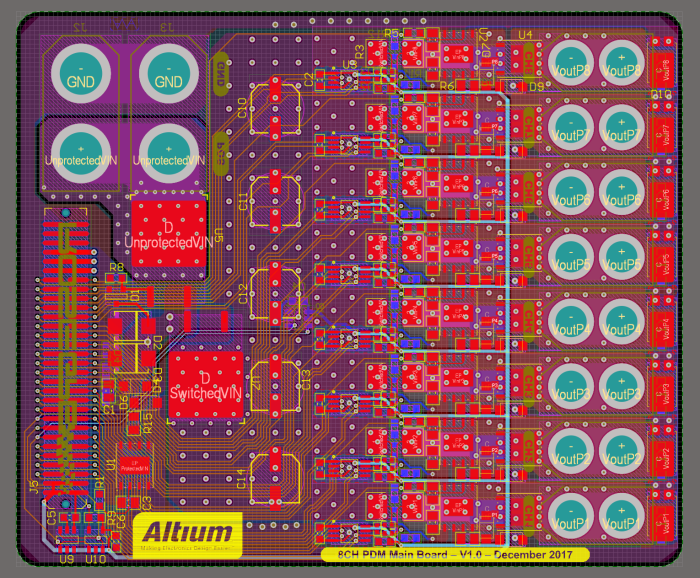
Implementing Altium Auto Route in vehicle electronic designs comes with its own set of challenges and best practices that can help maximize the benefits of this tool in automotive electronic projects. Let's delve into some common challenges faced and best practices to seamlessly integrate Altium Auto Route into the overall design workflow for vehicle electronics.
Common Challenges Faced:
- Complex Routing Requirements: Vehicle electronic designs often have intricate routing requirements due to the interconnected nature of components. This complexity can pose challenges when using Altium Auto Route to ensure optimal routing paths.
- Noise and Signal Integrity Issues: High-speed communication systems in vehicles require careful consideration of noise and signal integrity. Implementing Altium Auto Route without addressing these issues can lead to signal interference and performance degradation.
- Component Placement Constraints: Vehicle electronic layouts may have limited space for component placement, making it challenging to route traces effectively without causing signal crosstalk or thermal issues.
Best Practices for Maximizing Benefits:
- Set Design Rules Early: Define clear design rules and constraints at the beginning of the project to guide Altium Auto Route in creating optimized routing paths that adhere to specific requirements.
- Iterative Routing Approach: Instead of relying solely on automated routing, consider using a combination of manual and auto-routing techniques to achieve the best results while maintaining signal integrity.
- Regular Design Reviews: Conduct regular design reviews to identify and address any routing issues early in the process, ensuring that the final design meets performance and reliability standards.
Seamless Integration into Design Workflow:
- Collaborative Environment: Foster collaboration between PCB designers and electrical engineers to ensure that Altium Auto Route is seamlessly integrated into the overall design workflow, with clear communication and shared objectives.
- Design Validation: Utilize simulation and validation tools to verify the integrity of the routed paths generated by Altium Auto Route, allowing for adjustments and refinements before finalizing the design.
- Documentation and Revision Control: Maintain detailed documentation of the routing decisions made by Altium Auto Route and implement a robust revision control process to track changes and modifications throughout the design cycle.
Wrap-Up
In conclusion, Altium Auto Route offers a game-changing solution for optimizing vehicle electronic designs, paving the way for faster time-to-market and improved signal integrity. The integration of Altium Auto Route into automotive projects is indeed a strategic move towards achieving design excellence in the realm of vehicle electronics.
Question & Answer Hub
What are the main benefits of using Altium Auto Route in vehicle electronic designs?
Altium Auto Route helps streamline the design process, ensures efficient routing, and optimizes signal integrity, reducing design iterations and time-to-market.
How does Altium Auto Route compare to traditional routing methods in the automotive industry?
Altium Auto Route offers more efficient routing of complex automotive electronic systems compared to traditional methods, leading to enhanced design quality and productivity.
What are some common challenges faced when implementing Altium Auto Route in vehicle electronic designs?
Some challenges include learning curve for new users, integration issues with existing workflows, and the need for proper training to maximize the benefits of the software.