
Diving into the realm of healthcare coverage, this exploration sheds light on the intricacies of public and private health insurance in the diverse landscape of Asia. From contrasting benefits to accessibility, this discussion aims to provide a comprehensive understanding of the choices available to individuals seeking health security in the region.
As we navigate through the nuances of public and private health insurance systems in Asia, a deeper insight into their impact on individuals and the healthcare industry as a whole unveils intriguing perspectives that shape the healthcare landscape in the region.
Overview of Public Health Insurance in Asia
Public health insurance in Asia refers to government-funded programs that aim to provide healthcare coverage to a country's population. These systems are designed to ensure that individuals have access to essential medical services without facing financial hardship.
Countries with Public Health Insurance Systems in Asia
- Japan: Japan has a universal healthcare system known as the National Health Insurance (NHI) that covers the majority of the population.
- Singapore: Singapore's public health insurance scheme, MediShield Life, provides basic health coverage for its residents.
- South Korea: South Korea operates the National Health Insurance program, which covers most of the population for various medical services.
Coverage and Benefits of Public Health Insurance in Asia
Public health insurance in Asia typically covers a range of medical services, including hospitalization, outpatient care, prescription drugs, and preventive services. The coverage may vary from country to country, but the goal is to ensure that essential healthcare needs are met for the population.
Public health insurance often includes benefits such as access to primary care physicians, specialist consultations, and emergency services, helping individuals receive necessary medical treatment without facing financial barriers.
Overview of Private Health Insurance in Asia
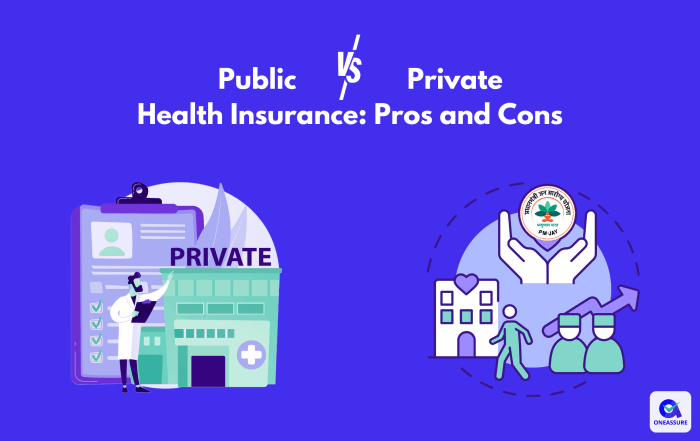
Private health insurance in Asia refers to insurance plans that individuals or groups purchase from private companies to cover medical expenses. Unlike public health insurance, which is funded and managed by the government, private health insurance is paid for by the policyholders themselves or their employers.
Availability and Uptake of Private Health Insurance in Asia
Private health insurance is becoming increasingly popular in various Asian countries due to rising healthcare costs and the desire for better quality services. Countries like Singapore, Japan, and South Korea have high rates of private health insurance uptake, with many individuals opting for additional coverage beyond what is provided by public health schemes.
- In Singapore, private health insurance is commonly used to cover expenses not included in the government's MediShield Life scheme, such as elective surgeries and treatments in private hospitals.
- In Japan, private health insurance supplements the national health insurance system, providing coverage for services like dental care and alternative medicine.
- In South Korea, private health insurance offers faster access to medical services and greater flexibility in choosing healthcare providers.
Advantages and Disadvantages of Private Health Insurance
Private health insurance offers several advantages, including quicker access to healthcare services, more choices in terms of hospitals and doctors, and coverage for treatments not included in public schemes. However, private health insurance can be expensive, especially for comprehensive coverage, and may not be accessible to lower-income individuals.
It is important to carefully consider the benefits and limitations of private health insurance before purchasing a policy, taking into account individual healthcare needs and financial capabilities.
Coverage and Services Offered
Public health insurance in Asia typically provides coverage for a wide range of medical services and treatments, aiming to ensure access to healthcare for all citizens. On the other hand, private health insurance in Asian countries offers more personalized and sometimes additional services for those who can afford the premiums.
Coverage and Services Provided by Public Health Insurance
Public health insurance in Asia usually covers basic healthcare services such as hospitalization, outpatient care, preventive services, and medications. The coverage is often comprehensive and aims to cater to the essential healthcare needs of the population. However, due to budget constraints, there may be limitations on certain specialized treatments or procedures.
Coverage and Services Offered by Private Health Insurance
Private health insurance in Asian countries offers a broader range of services compared to public insurance. This may include coverage for elective procedures, alternative therapies, access to private hospitals, and shorter wait times for appointments. Private insurance plans also often provide coverage for dental, vision, and mental health services, which may not be fully covered by public insurance.
Unique or Specialized Services
One of the unique services that private health insurance may offer is access to exclusive healthcare facilities or specialists that are not available through public insurance. Additionally, some private insurance plans may include wellness programs, health coaching, or telemedicine services as part of their offerings.
On the other hand, public health insurance may focus more on population-wide preventive care initiatives and may provide coverage for certain high-cost treatments that private insurance plans might not cover.
Accessibility and Affordability
Accessibility and affordability are crucial factors when it comes to health insurance in Asia. Let's delve into how these aspects impact individuals in the region.
Accessibility of Public Health Insurance in Asia
Public health insurance in Asia varies in terms of accessibility, with eligibility criteria and enrollment processes differing across countries. In some nations, public health insurance is available to all residents, while in others, certain groups may be excluded based on income levels or employment status.
For example, in countries like Japan and South Korea, universal health coverage ensures that all residents have access to public health insurance. On the other hand, countries like India have targeted public health insurance schemes that focus on specific populations such as the poor and vulnerable.
Affordability of Private Health Insurance in Asian Countries
Private health insurance in Asia can be costly, impacting individuals' ability to afford coverage. Premiums for private health insurance vary depending on factors such as age, pre-existing conditions, and coverage levels. In countries like Singapore and Hong Kong, where private health insurance is common, high premiums can pose a financial burden for individuals and families.
The affordability of private health insurance is a concern, especially for those who do not have access to public health insurance or comprehensive employer-provided coverage.
Government Initiatives and Regulations
Governments in Asia have implemented various initiatives and regulations to improve access to health insurance for all residents. For example, some countries have introduced subsidies or tax incentives to make private health insurance more affordable. Additionally, regulations are put in place to ensure that insurance providers offer transparent pricing and coverage options.
Governments also work towards expanding public health insurance coverage to reach more individuals, especially those in underserved or marginalized communities.
Quality of Care and Patient Experience
When it comes to public health insurance schemes in Asia, the quality of care provided can vary significantly depending on the country and its healthcare system. While some countries may offer adequate care under public insurance, others may struggle to provide the same level of quality compared to private insurance options.
Quality of Care under Public Health Insurance
- In some Asian countries, public health insurance may be associated with longer wait times for medical procedures and treatments, leading to delays in receiving necessary care.
- Public hospitals and clinics under government-funded insurance schemes may face budget constraints, impacting the availability of advanced medical technology and specialist services.
- Patient experience in public healthcare settings can vary, with some individuals reporting dissatisfaction with the level of personalized care and attention received.
Differences in Quality of Care between Public and Private Health Insurance
- Private health insurance in Asia often offers quicker access to healthcare services, including shorter wait times for appointments, diagnostic tests, and surgeries.
- Private hospitals and clinics may have more advanced medical equipment and a wider range of specialists, providing a higher standard of care compared to public facilities.
- Patients with private health insurance may experience more personalized care, with a focus on individual preferences and comfort during medical treatments.
Patient Satisfaction Levels with Public and Private Health Insurance
- Studies have shown that patients with private health insurance tend to report higher satisfaction levels compared to those relying solely on public insurance for healthcare services.
- Factors contributing to higher patient satisfaction with private insurance include faster access to care, better amenities, and a perception of receiving more attentive and personalized treatment.
- While public health insurance remains an essential safety net for many individuals in Asia, concerns about quality of care and patient experience continue to be significant factors influencing healthcare decisions.
Innovations and Future Trends
In the ever-evolving landscape of healthcare, both public and private health insurance systems in Asia are witnessing significant innovations and future trends. These developments are crucial in adapting to changing healthcare needs and demands, ultimately shaping the future of healthcare in the region.
Emerging Trends in Public Health Insurance Systems
Public health insurance systems in Asia are increasingly focusing on expanding coverage and improving access to healthcare services for all citizens. One emerging trend is the integration of digital health technologies to enhance efficiency and reach remote populations. For example, telemedicine services are being incorporated to provide virtual consultations and monitoring, especially in rural areas with limited healthcare facilities.
Additionally, there is a growing emphasis on preventive care and wellness programs to reduce the burden of chronic diseases and promote overall population health.
Adaptation of Private Health Insurance Companies
Private health insurance companies in Asia are proactively adapting to changing healthcare needs by offering innovative insurance products and services. These companies are leveraging technology to streamline claims processing, enhance customer experience, and personalize insurance plans according to individual health profiles.
Moreover, there is a shift towards value-based care models, where insurers collaborate with healthcare providers to improve care quality and outcomes while controlling costs. Some private insurers are also exploring partnerships with digital health startups to offer innovative solutions such as wearable devices for health monitoring and wellness incentives for policyholders.
Future Developments in Public and Private Health Insurance Sectors
Looking ahead, the future of public health insurance in Asia is likely to involve greater collaboration between governments, insurance companies, and healthcare providers to create sustainable and inclusive healthcare systems. This may include the adoption of risk-based financing models, enhanced data analytics for informed decision-making, and stronger regulatory frameworks to ensure transparency and accountability.
On the other hand, private health insurance companies are expected to continue innovating with personalized health plans, expanded coverage options, and digital health solutions to meet the evolving needs of consumers. Overall, the convergence of public and private initiatives is anticipated to drive improvements in healthcare access, affordability, and quality across Asian countries.
Final Thoughts
In conclusion, the juxtaposition of public and private health insurance in Asia not only showcases the variances in coverage and affordability but also underscores the evolving nature of healthcare provision in the region. By weighing the pros and cons, individuals can make informed decisions regarding their health insurance choices, paving the way for a more sustainable and inclusive healthcare system in Asia.
FAQ Resource
What are the key differences between public and private health insurance in Asia?
Public health insurance is typically government-funded and aims to provide coverage for all residents, while private health insurance is purchased by individuals or through employers for more personalized and specific coverage.
Is private health insurance more expensive than public health insurance in Asia?
Private health insurance tends to offer more comprehensive coverage but at a higher cost compared to public health insurance, which is often subsidized by the government.
Are there any unique services offered by public health insurance that are not available with private health insurance in Asia?
Public health insurance may offer more preventive care services and broader coverage for essential healthcare needs, while private health insurance often provides quicker access to specialized treatments and facilities.